

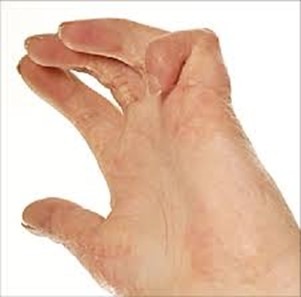
Contracture deformities represent a critical issue in orthopedics, notably impacting the flexibility and functionality of muscles, tendons, ligaments, and skin. This ailment may present in several forms, including muscle, joint, and skin contractures. The result often entails limited mobility and pain in the afflicted areas, which may significantly impact everyday activities. Comprehending contracture deformities is crucial for accurate diagnosis and treatment.
Symptoms of Contracture Deformities
The main indication of contracture deformities is a diminished capacity to move the impacted region. People might encounter stiffness, discomfort, and challenges in everyday activities. The symptoms exhibited may differ based on the site of the contracture.
- Muscle contractures can result in tightness and a reduced ability to stretch.
- Joint contractures can limit mobility in regions such as the elbows or knees, resulting in difficulty straightening the limbs.
- Skin contractures frequently develop following burns or injuries, restricting movement in the impacted skin region.
- Other symptoms may involve muscle weakness and joint pain, which can worsen the overall effects on mobility and quality of life.
Causes of Contracture Deformities
Contracture deformities may develop due to many factors:
- Inactivity: Prolonged immobility resulting from injury or sickness often causes stiffness in muscles and joints.
- Scarring: Injuries or surgical procedures that result in scar tissue may impede mobility.
- Neurological Conditions: Disorders like cerebral palsy or stroke may lead to muscular rigidity and restricted motion.
- Inflammatory Conditions: Disorders such as rheumatoid arthritis may induce joint rigidity as a result of inflammation.
- Burns: Severe burns may result in the production of scar tissue that impedes mobility.
- Genetic disorders: Certain inherited conditions may predispose individuals to develop contractures.
Non-Surgical Treatments for Contracture Deformities
- Medication: Anti-inflammatory drugs may be prescribed to alleviate pain and reduce swelling. Muscle relaxants can also help ease tension in affected muscles.
- Casts and Splints: These devices are employed to maintain an extended position of the affected limb, promoting gradual stretching of contracted tissues.
- Botulinum Toxin Injections: In cases of severe spasticity, injections may temporarily paralyze overactive muscles, relieving tightness.
Surgical Treatments for Contracture Deformities
When non-surgical methods fail to improve mobility or if the contracture is severe, surgical intervention may be necessary:
- Release Procedures involve cutting through tight tissues to restore normal length and function. This may include fasciectomy or tendon release surgeries.
- Tendon Lengthening: This surgery aims to increase the length of tendons that have shortened due to contracture.
- Joint Reconstruction: In cases where joints are severely affected, reconstructive surgery may be performed to restore function.
- Skin Grafting: Skin grafting may be some time necessary to improve functionality for severe skin contractures resulting from burns or trauma.
Surgical options are often considered when conservative treatments fail or when there is a significant loss of function.
Conclusion
Patients with contracture deformities face major challenges. Preventing long-term damage requires early diagnosis and treatment. Pharmacological therapy and splints may help with mild conditions, but surgery is needed for more severe conditions. Efficient management improves mobility and quality of life.
Expert consultations are essential for monitoring progress and adjusting treatment plans. Orthopedic surgeons may help contracture deformity patients live better by addressing physical constraints and pain.
For enquiries and online appointments, send a message to www.BangaloreShoulderInstitute.com/contact
For informative videos related to Shoulder problems and their treatment options, Sports Injuries and other orthopedic conditions, visit the YouTube channel Bangalore Shoulder Institute – https://www.youtube.com/@BangaloreShoulderInstitute
More reading
 Understanding How the Spine Contributes to Shoulder Pain
Shoulder soreness is a prevalent issue often linked to illnesses such as rotator cuff tears, tendonitis,…
Read More
Understanding How the Spine Contributes to Shoulder Pain
Shoulder soreness is a prevalent issue often linked to illnesses such as rotator cuff tears, tendonitis,…
Read More
 The Do’s and Don’ts for Frozen Shoulder
Frozen shoulder medically known as adhesive capsulitis is a medical condition that leads to discomfort and…
Read More
The Do’s and Don’ts for Frozen Shoulder
Frozen shoulder medically known as adhesive capsulitis is a medical condition that leads to discomfort and…
Read More
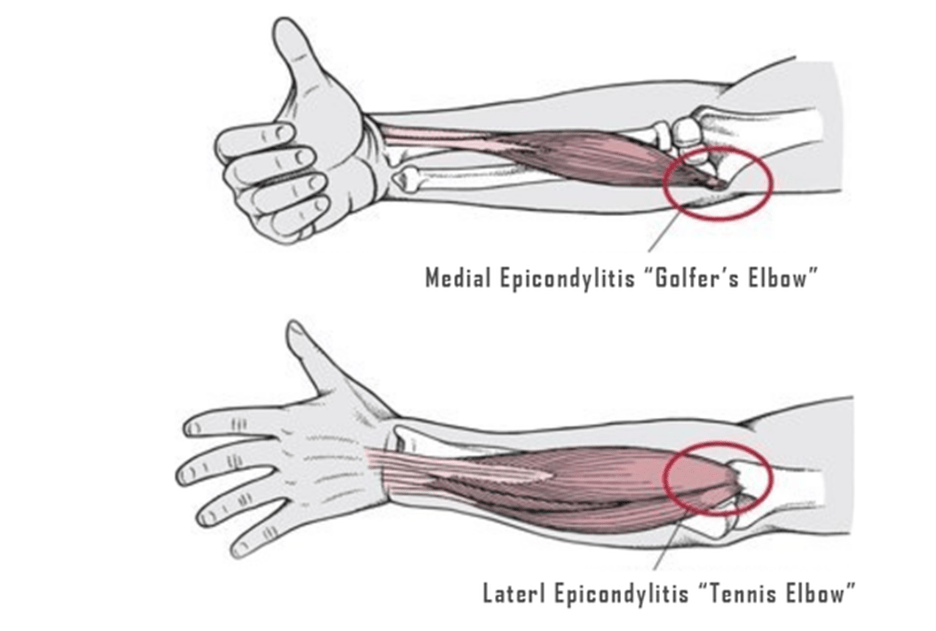 Tennis Elbow and Golfer’s Elbow- What is the difference?
Whether you are an athlete or just someone doing repeated chores, elbow discomfort is a frequent…
Read More
Tennis Elbow and Golfer’s Elbow- What is the difference?
Whether you are an athlete or just someone doing repeated chores, elbow discomfort is a frequent…
Read More
 PRP Injections for Management of Shoulder Pain
Shoulder pain can significantly affect daily life, limiting mobility, sleep, and overall quality of life. From…
Read More
PRP Injections for Management of Shoulder Pain
Shoulder pain can significantly affect daily life, limiting mobility, sleep, and overall quality of life. From…
Read More