
Shoulder Replacement

A Shoulder Replacement Surgery is performed when a Shoulder Problem is not getting cured by non-surgical treatment options.
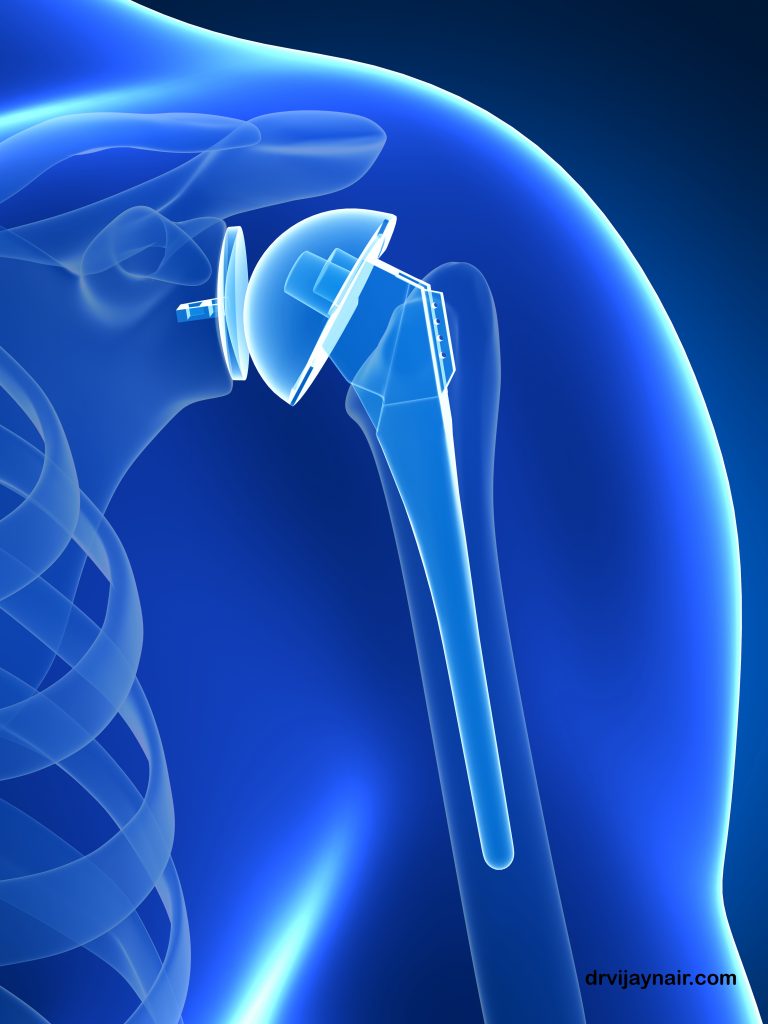
Shoulder Replacement
To understand how a Shoulder Replacement Surgery, also known as Shoulder Arthroplasty or Glenohumeral Arthroplasty is performed, one must understand the brief anatomy of the Shoulder. Shoulder is made up of three bones – upper arm bone (humerus), shoulder blade (scapula) and your collarbone. The shoulder is a ball and socket joint. The head (ball) of your upper arm bone fits into a shallow socket (glenoid) in your shoulder blade. This ball and socket construction allows circular movement of the arm.
The surface of the bones is covered with cartilages and tissues. Also, shoulder is surrounded by muscles and tendons. These structures provide mobility, stability and support to the shoulder joint.
A Shoulder Replacement Surgery is performed when a Shoulder Problem is not getting cured by non-surgical treatment options. In a Shoulder Replacement Surgery, the damaged parts of the shoulder are removed and replaced with artificial components called as prosthesis. The surgical options include replacement of just the head of the humerus (ball) or replacement of both the ball and socket (glenoid).
The goal of the Shoulder Replacement Surgery is to relieve shoulder pain and normalize shoulder functions and provide strength to the optimum. The procedure has a good success ratio and many patients return to active sports post this surgery.
Shoulder Replacement was pioneered by the French Surgeon Jules Emile Pean in 1893 who used platinum and rubber materials as implants. The procedure has greatly advanced over time and is now considered as the best option for patients with severe arthritic pain which is not relieved by non-surgical methods.
Conditions that require Shoulder Replacement in case non-surgical methods does not help, are as follows:
Osteoarthritis
Rheumatoid Arthritis
Severe Fractures
Rotator Cuff Tear Arthropathy
Post-traumatic Arthritis
Avascular Necrosis (Osteonecrosis)
Evaluation for Shoulder Replacement Surgery
A Shoulder Surgeon will do an evaluation based on the following:
Medical History
Physical Examination
X-rays
Other tests – in certain cases an MRI, blood test or a scan may be needed
Types of Shoulder Replacement
Based on your condition and severity of the problem, your doctor may recommend one of the following types of shoulder replacement surgery for you.
- Total Shoulder Replacement
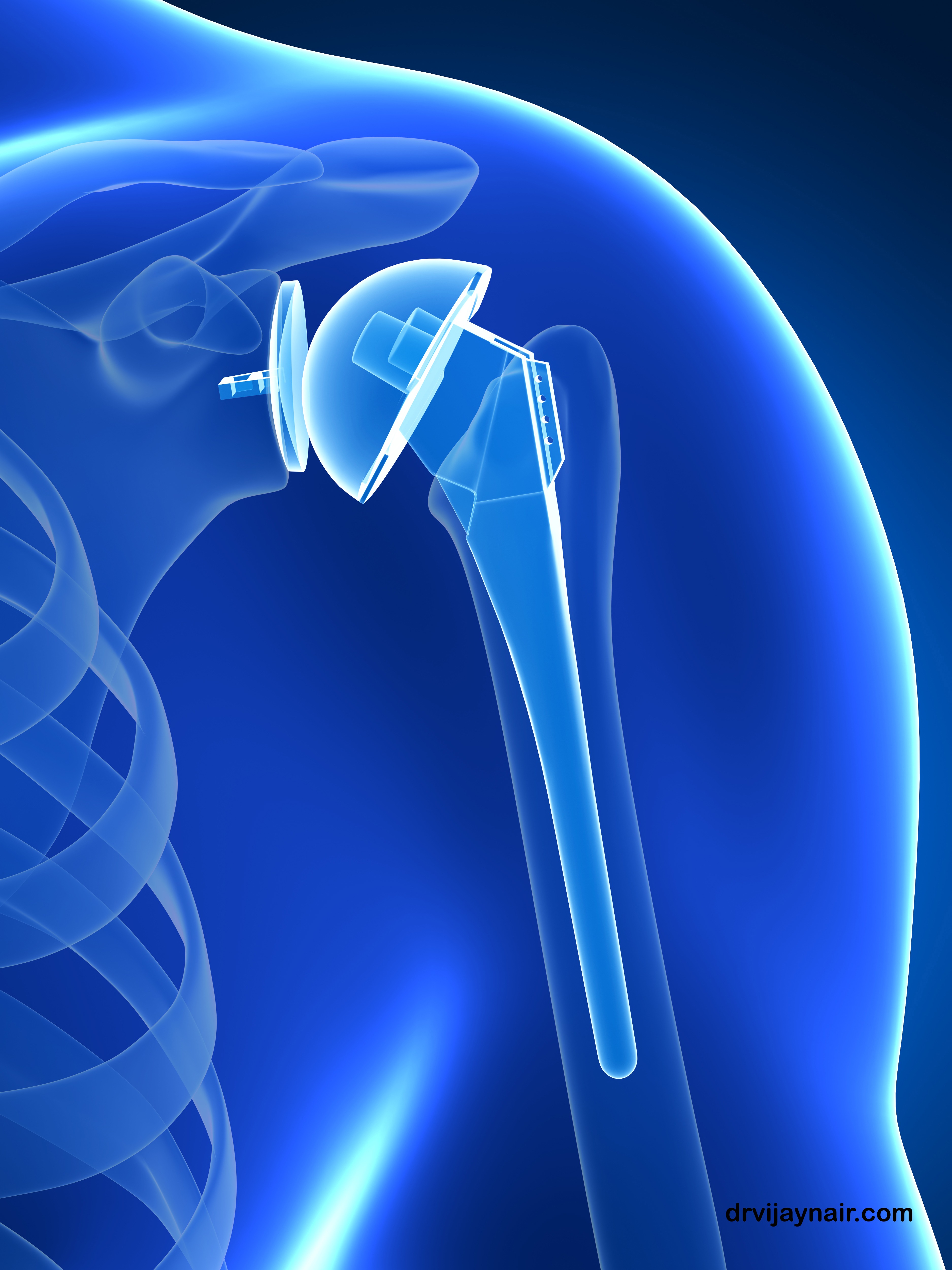
Shoulder Replacement showing the prosthesis
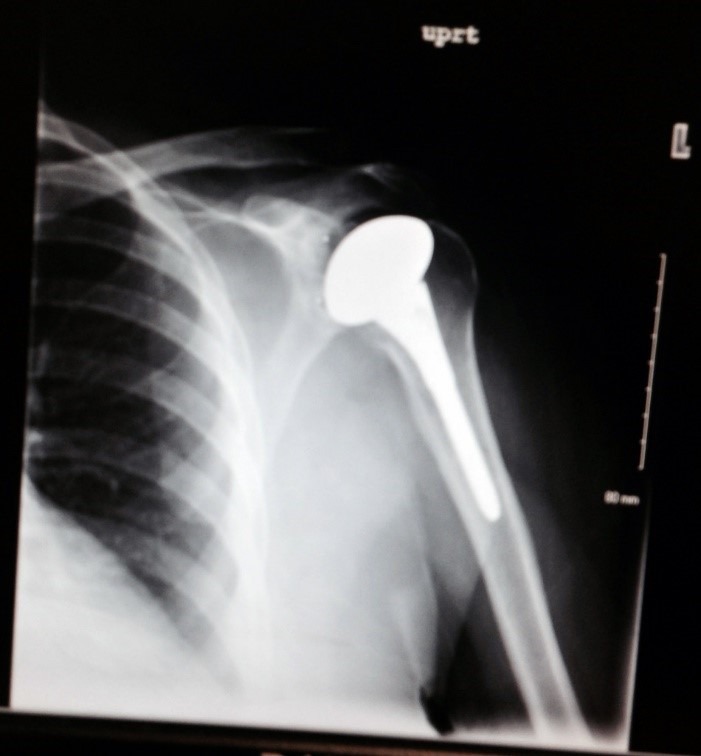
Shoulder Replacement X-Ray
- Stemmed Hemiarthroplasty
- Resurfacing Hemiarthroplasty
- Reverse Total Shoulder Replacement
Complications
Patient’s generally don’t report any complications post surgery. However, as with any surgery Shoulder Replacement has the following complications in certain cases:
Infections:
Infections near the wound or near the prosthesis
Problems with Prosthesis:
There might be wear down in the prosthesis (very rare) and the components may loosen.
Nerve Injury:
Nerves in the vicinity of the joint replacement may be damaged during surgery (again very rare)
Rehabilitation Post-Surgery
Rehabilitation will include the following:
Taking rest for recommended duration
Wearing Sling for recommended duration
Medicines for managing pain
Physiotherapy
Restriction on some activities for recommended duration
More reading
 Understanding How the Spine Contributes to Shoulder Pain
Shoulder soreness is a prevalent issue often linked to illnesses such as rotator cuff tears, tendonitis,…
Read More
Understanding How the Spine Contributes to Shoulder Pain
Shoulder soreness is a prevalent issue often linked to illnesses such as rotator cuff tears, tendonitis,…
Read More
 The Do’s and Don’ts for Frozen Shoulder
Frozen shoulder medically known as adhesive capsulitis is a medical condition that leads to discomfort and…
Read More
The Do’s and Don’ts for Frozen Shoulder
Frozen shoulder medically known as adhesive capsulitis is a medical condition that leads to discomfort and…
Read More
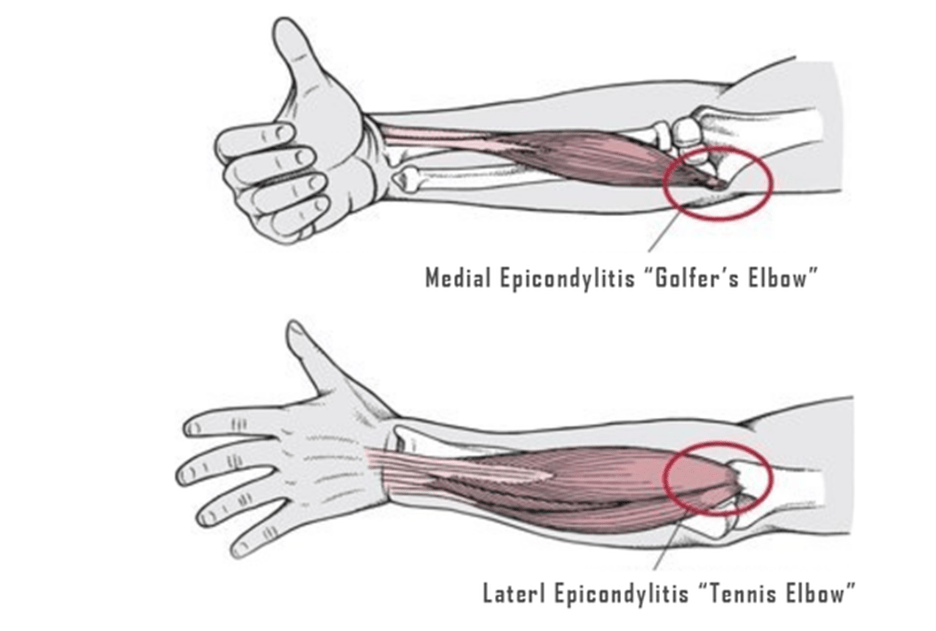 Tennis Elbow and Golfer’s Elbow- What is the difference?
Whether you are an athlete or just someone doing repeated chores, elbow discomfort is a frequent…
Read More
Tennis Elbow and Golfer’s Elbow- What is the difference?
Whether you are an athlete or just someone doing repeated chores, elbow discomfort is a frequent…
Read More
 PRP Injections for Management of Shoulder Pain
Shoulder pain can significantly affect daily life, limiting mobility, sleep, and overall quality of life. From…
Read More
PRP Injections for Management of Shoulder Pain
Shoulder pain can significantly affect daily life, limiting mobility, sleep, and overall quality of life. From…
Read More